


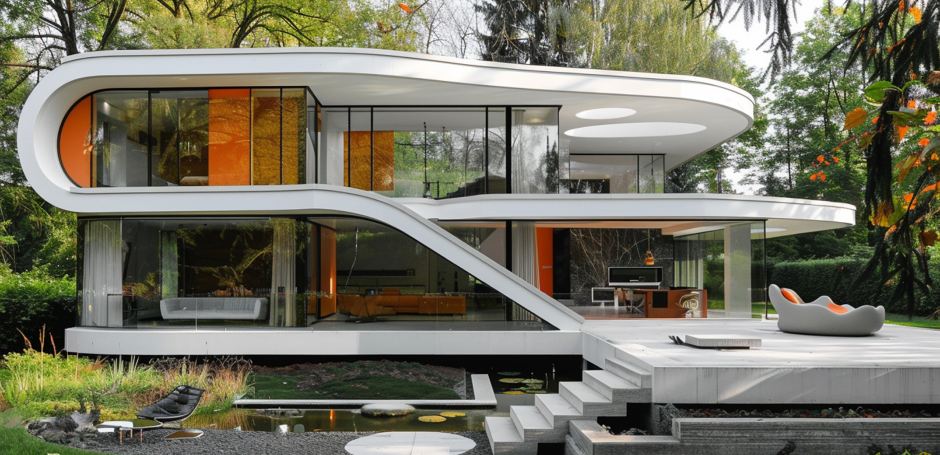
Every property practitioner eventually meets that listing — the one with a wild colour scheme, an unexpected layout, or décor that makes you pause and blink twice. These are unconventional properties, which come with design features or décor choices that don’t quite match what the market typically expects.
While these listings can challenge traditional marketing playbooks, they also offer unique opportunities. With the right strategy, they can become your most memorable and high-performing listings.
“Barbie apartment” in the spotlight
Take, for example, the so-called “Barbie apartment”, which trended on social media and made local headlines in October. Nuno Brízido from Chas Everitt International took on a top-floor apartment in a secure Bryanston estate where every room — from the living areas to the bedrooms, bathroom, and kitchen — was painted in vibrant shades of pink. Rather than shy away from the bold design, Brízido leaned into it, marketing the home as the one Barbie herself would choose.
Brízido’s video walkthrough highlighted the playful décor and immersive colour scheme, turning the apartment into an experience rather than just a listing. The strategy paid off spectacularly: the property quickly captured attention online, racking up 197K views on Facebook and 966.1K views on TikTok, and earned coverage in media publications.

According to industry experts, this approach worked well to embrace and showcase the home’s unusual aesthetic. “This was a very strategic move and rather eye-catching,” says Carol Roodt, Franchisee of Urban Link South Coast. “It lends itself to the buyer wanting to see more. Psychologically, people want something more than the everyday mundane ad. This agency hit a chord in the mind that excited people.”
Jonathan Broekman, Principal and Owner at Homes of Distinction, adds, “Since the COVID-19 lockdown, people are craving more expressive, personalised spaces that break from the ordinary. Presenting a home in an equally engaging way taps into that need for something that stands out.”
When a property defies expectations
Brízido’s story is far from unique. According to a recent Prop Data poll, 67.6% of practitioners say they’ve marketed an unconventional home at some point. And while they can be fun to work with, they’re also the kind of properties that test a practitioner’s marketing skills, patience, and creativity.
As Broekman puts it, “Selling a standard ‘cookie-cutter’, ‘one-size-fits-all’ home is easier but unexciting. Having the one that challenges you to find new ways to market it makes the result way more worthwhile.” These homes force practitioners to stretch beyond the basics: finding the right narrative, knowing how to position unusual features, and helping buyers picture what the home could be and not just what it is.
Still, the challenges are very real. Some buyers struggle to see past bold décor or unusual layouts, and practitioners must bridge that gap. Roodt explains the hurdle: “The challenge would be to sell to the prospective buyer that buying a cheaper property and renovating it to their taste could save them quite a bit of money in the long run.” Helping clients visualise potential, while still celebrating what makes the home different, is often where the real work lies.
Making unconventional homes work
When faced with an unconventional home, most practitioners don’t rush to tone it down — they lean in. According to the same Prop Data poll, 80.6% of property practitioners say they would market an unconventional home as a feature, not a fixer. In other words, they choose to spotlight what makes the property different rather than imply it needs “correcting”.

“Calling it a fixer suggests the home needs to be normalised,” says Broekman. “But highlighting what makes it stand out draws attention to its uniqueness. And honestly, who doesn’t want to live in a home that isn’t like everyone else’s?”.
For many practitioners, positioning the unconventional as a feature opens the door to possibility. Roodt adds, “When you market it as a feature, you’re highlighting an array of opportunities the buyer could use if they purchase. There may be challenges, but you’re opening their eyes to the various possibilities the home offers.”
Practitioners polled shared how they put this philosophy into action. Many rely on a few key strategies to get unconventional homes moving:
- Using the aesthetics as a marketing feature (37.2%): Rather than hiding or downplaying unusual décor or bold colour schemes, practitioners emphasise it as a selling point. Highlighting the home’s personality helps it stand out in listings, video walkthroughs, and social media posts.
- Embracing the idea that there’s a buyer or renter for every style (33%): Unconventional homes aren’t for everyone, and practitioners understand that. Instead of trying to appeal to a broad audience, they identify the niche buyer or renter who will love the property as-is. Understanding the ideal buyer persona helps craft marketing language, imagery, and campaigns that resonate with those most likely to engage and take action.
- Encouraging small adjustments but avoiding major changes (17%): While some buyers or renters may hesitate at bold design choices, practitioners often suggest minor tweaks rather than a full renovation. Small changes, like repainting one accent wall, updating furniture, or rearranging a layout, can help them see the property’s potential without erasing the unique features that make it stand out.
Get your listing to fly off the market
Even with the right marketing strategy, unconventional homes can take longer to move. According to the Prop Data poll, 60.6% of practitioners say that unusual features affect time on market. The good news is that there are steps practitioners can take early on to reduce delays.
Preparation is key. From the moment a mandate is signed, practitioners can start positioning the property to help the right buyer or renter see its value. This includes carefully crafting the narrative around the home’s standout features, highlighting both its personality and practical benefits, and ensuring photos, videos, and descriptions showcase the property in the best light.
Managing expectations with the seller early is equally important. Discuss which features might appeal to niche buyers, which small adjustments could broaden interest, and how to frame the home as a “feature”.
Broekman also emphasises the urgency of the digital market: “Because we are all constantly online, mainly on a mobile device, the window of opportunity to get attention has become milliseconds short. No one focuses solely on the text — they primarily look at the pictures and the price. Fast-track the process, price accordingly, and highlight the features to have maximum impact.”
Roodt adds, “Help the client identify ways their unconventional features can be adapted to suit their needs. Showcase these possibilities clearly when advertising the property.” With this groundwork in place, practitioners can guide the buyers or renters toward seeing the value in a home that might otherwise be overlooked.